What is Biodiversity?
Biodiversity is all the different kinds of life you’ll find in an area — the variety of animals, plants, fungi, and even microorganisms like bacteria that make up our natural world. Each species plays a role in intricate ecosystems, working together like a web to maintain balance and support life.
Why does it matter:
- Food & water: Biodiversity keeps ecosystems productive and resilient.
- Medicine & shelter: Many of our medicines, building materials, and resources come directly from nature.
- A healthy planet: From clean air to stable climates, life depends on life.
Biodiversity isn’t just nature; it’s the foundation of everything we need to survive.
Threats to Biodiversity
- Deforestation: Cutting down forests for logging, farming, or cities destroys habitats for countless species.
- Poaching: Illegal hunting and overfishing remove too many animals from the wild, upsetting the balance of ecosystems and threatening species with extinction.
- Pollution: Oil spills, industrial waste, and plastic pollution poison land and water, harming plants and animals alike.
- Climate change: Rising temperatures, floods, and desertification make it harder for species to survive.
- Invasive species: Non-native plants and animals can replace native species, disrupting ecosystems.
And it’s not just the animals at risk. When forests vanish, rivers get polluted, or species disappear, it affects the food we eat, the water we drink, and the places we call home.
Biodiversity in Nigeria
Nigeria is one of Africa’s biodiversity hotspots, with a wide variety of habitats spread across its 923,769 sq km landscape. From the arid Sahel in the north to the coastal swamps along the Atlantic Ocean in the south, the country supports tropical rainforests, savannas, wetlands, and rich marine ecosystems.
Nigeria’s Niger Delta, the third-largest mangrove system in the world, is a recognised biodiversity hotspot. Other biodiversity-rich areas include montane and lowland rainforests as well as the expansive savannas of the north and central regions.
Biodiversity Zones in Nigeria:
- Freshwater Swamp Forest & Mangrove: Africa’s largest mangrove forest ecosystem and the third largest mangrove in the world.
- Montane Rainforest: Home to critically endangered species, including primates and diverse birdlife.
- Derived Savannah Biome: Former forest zones in the south that have now been degraded.
- Southern Guinea Savanna: Mixed grassland and woodland, and it's the transition zone between the savannah and forest ecosystems.
- Northern Guinea Savanna & Sahel Savannah: Adapted to drier conditions, these zones support hardy grasses, trees, and wildlife.
Protecting these ecosystems isn’t just about wildlife; it’s about safeguarding the food, water, and livelihoods that millions of people rely on.

500 species
and 100 wildlife families are at risk of extinction

5000 hectars
of Nigeria’s tree cover lost between 2001 and 2024

5,000 mgCO₂e
emitted by Nigeria in just two decades

200 protected areas
safeguard making a total 7,000 hectares of nature
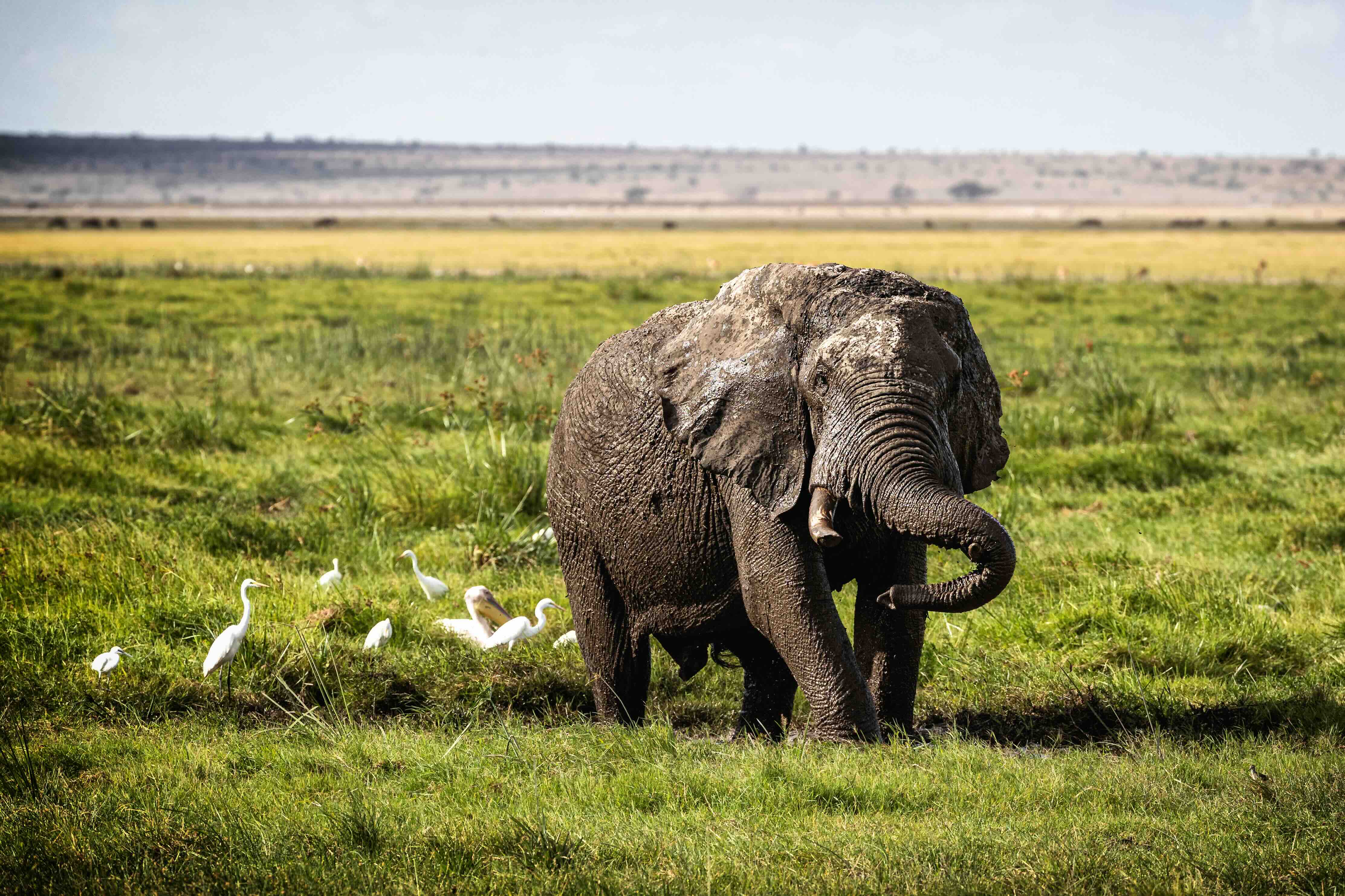


Wildlife in Nigeria
| ORDER | FAMILY | COMMON NAME | SCIENTIFIC NAME | STATUS |
|---|---|---|---|---|
Wildlife in
Nigeria
showcases the country’s rich and diverse animal species, from its savannahs and forests to wetlands
and coastal ecosystems. These species are not only essential to ecological balance but also to
cultural heritage and livelihoods. By documenting Nigeria’s wildlife, this feature underscores both
the beauty and fragility of these natural assets, while calling attention to the threats of habitat
loss, poaching, and climate change that endanger their survival
Selected Plants
Commonly Used in Nigeria
highlights the everyday plants deeply woven into the country’s cultural, medicinal, and economic
life. By documenting their uses and relevance, this feature sheds light on the vital role local
biodiversity plays in sustaining communities, while drawing attention to the urgent need for
conservation amid growing environmental threats.
Selected Plants Commonly Used in Nigeria
| NAME | PART USED | HOW USED |
|---|---|---|